Originally published on Substack:
https://substack.com/home/post/p-191652642
Whenever I have dance classes at a new place, it’s almost always an old Soviet building repurposed to house random small businesses. Though I am part of the culture—and even a contributor, since I used to rent my own office in a building like that—I still get taken aback when I enter one. Figuring out the way in is part of the experience. Learning to read the cryptic instructions left by the space owners—a necessary prerequisite.
I teach bachata in one of these repurposed offices. I walk in and out several times a week, but a voice in my head still goes, “Why would anyone want to come here to dance? Aren’t there more inspiring places?”
There aren’t. Very few, at most.
The building is not inviting—it’s a backrooms portal, not a hub for cute businesses. The halls are long, not dim, but not bright either—the lighting is balanced precisely at the threshold where you want it either brighter or dimmer. Liminal.
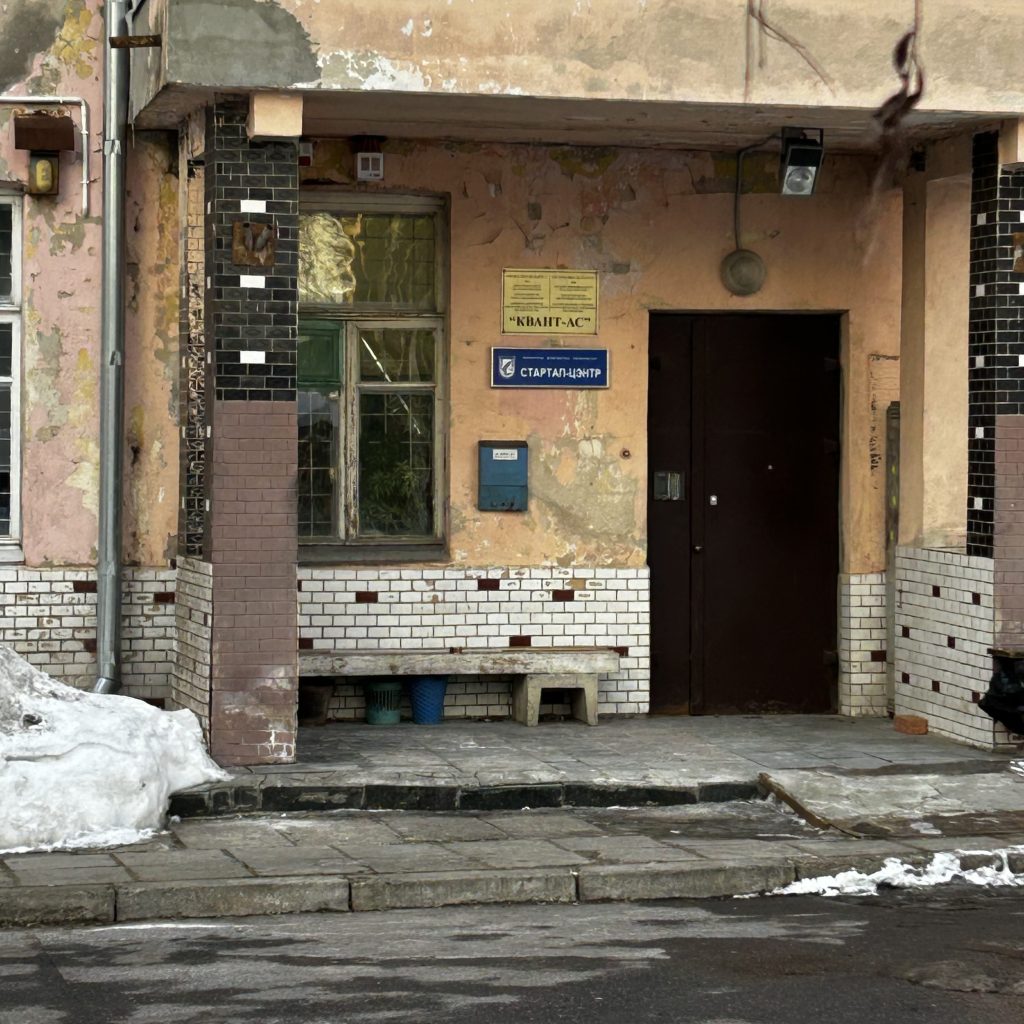
“Who gets their nails done here?”
Apparently, many—the nail salon next door had been there even before our school moved in.
If I were a woman, I would go to nice salons—if not in separate buildings, then at least on the ground floor of an upscale condo. Besides, there isn’t much of a price difference between them and the ones from the “backrooms”.
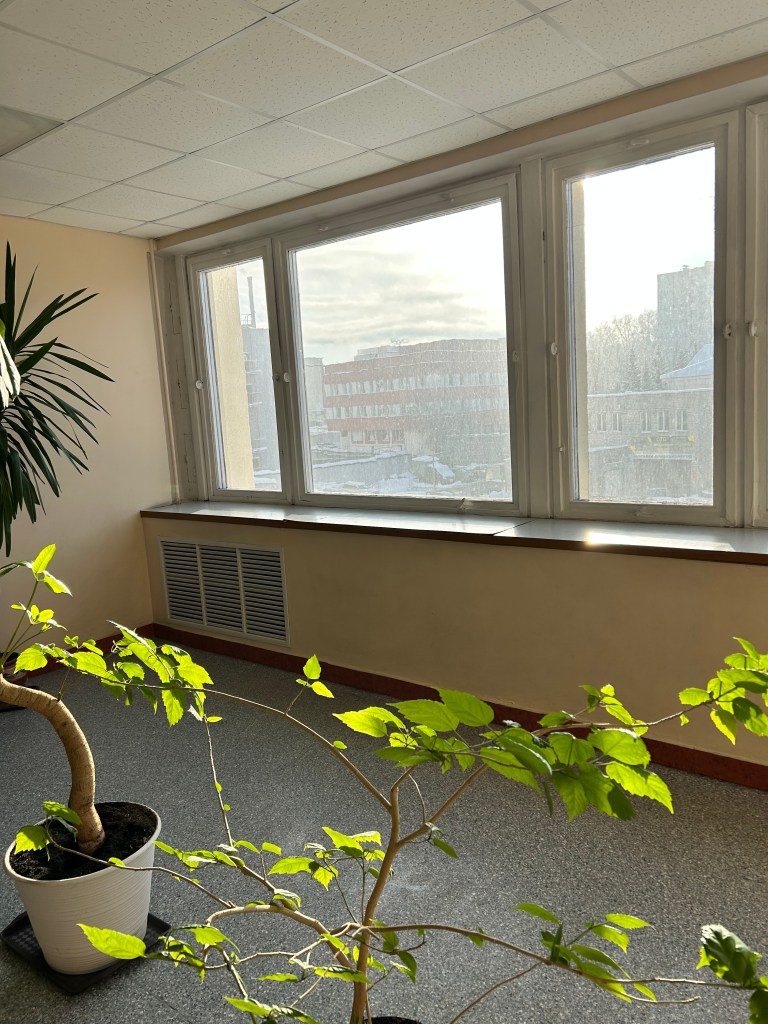
This got me thinking: I pay my barber 120 Belarusian Roubles (BYN) for a haircut and beard trim. I wonder at what price point I would start looking for a different professional. I think at 150 BYN I’d opt out.
I ran another thought experiment. If I had unlimited purchasing power, under what circumstances would I switch barbers? Karén—my Armenian barber—would have to mess things up three, maybe six times in a row. Or: a different barber talks me into getting a cut after showing his incredible work. He’d have to be a hell of a speaker. I’d require testimonials from men I trust. Finally, the barber would have to deliver extraordinarily—an exquisite cut, a sense of luxury, the presence of truly refined skill. I’d make that switch.
Psychological barriers are relative and sometimes deeply personal. Maybe it’s not all about money. Sometimes it’s about awareness. Throughout most of my life, I got my hair cut at home—sometimes at someone else’s. At first, my mom was the hairdresser. Not sure if my grandma ever did it. Possibly so. Then, when we were living in Canada, my mom would drive me to a Russian-speaking hairdresser who worked at a salon—that was a three-year exception. Once we got back to Belarus in 2006, my mother found a woman named Rita who cut hair on the side at her place. There were occasional periods when I got my hair cut by someone else, but my relationship with Rita still lasted more than ten years. My last visit was in 2018.
That same year, my friend Vlad got a gift certificate to a barbershop close to his house. After visiting “Gents,” Vlad was impressed with the service and advised me to check it out.
He made me aware, sparked curiosity, and injected credibility.
I was sceptical. Barbershop culture in Minsk began to develop in the 2010s as a hipster trend. Though historically, in the Russian Empire—of which Belarus was long a part—the concept of a tsyrulnik (barber) was entirely unremarkable, it later fell out of use in the USSR. The vehicle of hipster culture plowed through the soil of my country with ease—we already had broadband internet, Counter-Strike had taught us cultural awareness, and Instagram showed us that people around the world are not that different.
Remember metrosexuals? They became hipsters. Now—in 2026—we have looksmaxxers alongside old money aesthetics. Men are always rebranding caring about looking good. I took that sentence from a comment I saw online.
In 2018, hip barbershops weren’t yet a solidified niche in Belarus, and I didn’t want to be hip—I wanted to be avant-garde. But Vlad persuaded me.
The thing I was most afraid of was a generic barbershop cut, so when I opened the barber selection page on the Gents’ website, it felt like the match scene in The Fifth Element—make no mistake or the world will perish. I had to make the right decision. I knew it had to be a man, and preferably someone from the older generation, otherwise I’d end up stuck with a copy-pasted undercut for a month.
Luckily, they had Karén. He seemed to be over forty at the time, gave off trustworthy expert vibes, so I clicked. And stayed.
Last year, I told Karén that when he retires, I’ll pay five times my regular fee for a referral.
Still— all that considered— should he decide to go over 150 BYN…
I’ll go looking.
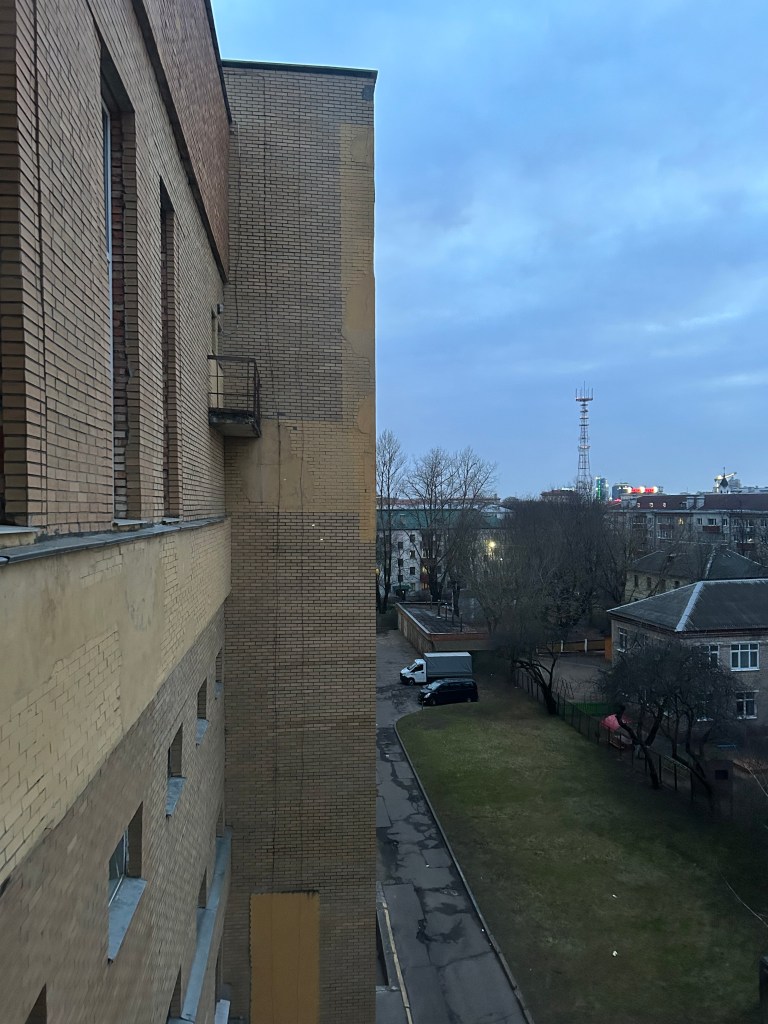
But not on the seventh floor of an ex-ministry of whatever.
 Юревич. Yurevich.